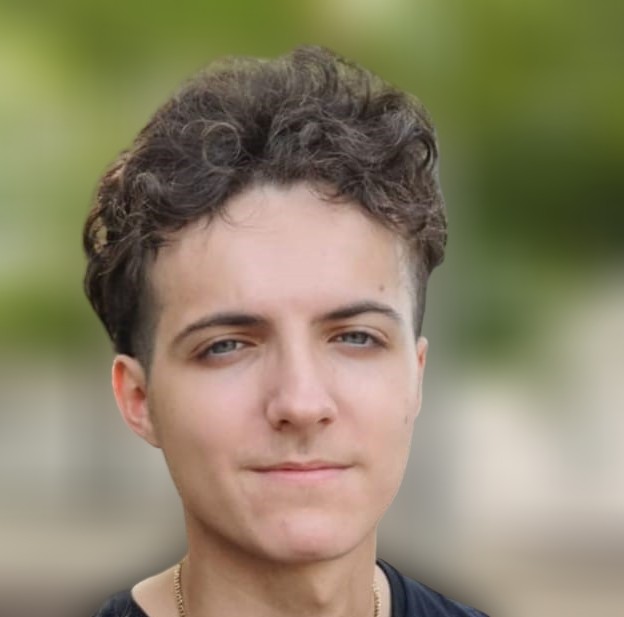
Development Log: Leandro Wiggett
Reflection as a London Humanities in Action Scholar in the Reckonings Project
I didn’t know much about Boston’s jazz history before starting on the Reckonings Project, so the first few weeks were slow. I’m a freshman BSc Business with Economics student at Northeastern University London, and having grown up across Italy, Portugal, and the UK, this was a pretty different world from what I’m used to. It was also my first real research role, so I was figuring a lot out as I went. I was going through Bay State Banner archives looking for anything on Estelle’s or Lulu White’s clubs, and most of what I read had nothing to do with either venue. It took a while to realise that was just how it worked. Neither place had articles written about it directly. They came up in passing, maybe a line in a piece about nightlife or a name dropped in a performer’s profile. Once I started paying attention to those smaller mentions instead of waiting for something obvious, the research opened up.
Dr. Poiger was a big part of why I didn’t feel completely lost early on. She’s based in Boston, so she could give me context on the neighbourhoods and the archives that I just wouldn’t have had on my own. I also hadn’t used Zotero before, and she walked me through it properly rather than just pointing me to a tutorial, which I appreciated. Small things like that made the learning curve feel manageable. As a result, I was able to add short summaries about my findings into abstracts in Zotero, making my research more accessible to the broader team.
The part I wasn’t ready for was how much the research would get to me. I read about Patrice O’Neal doing his first ever comedy set at Estelle’s in 1992, or Donald Harrison running into Art Blakey at Lulu White’s in 1980, and suddenly these aren’t just addresses any more. They’re real places where real things happened. And then I found a photo on Flickr of a construction sign at Estelle’s old building, 888 Tremont, rebranded as ‘888 Tremont Lofts’ with a sleek new facade drawn up. That one hit hard. It made the whole displacement side of the project feel concrete in a way that reading about it hadn’t.
I’m not from Boston and I don’t have any personal connection to the South End’s Black community, and that did sit with me throughout the project. But I think that’s what stopped me from projecting my own ideas onto the material and pushed me to listen to what was actually in the sources. Our research has also helped create posters for the Jazz Square Celebration: International Jazz Day Concert 2026 on April 30th, which has been really cool to see. If there’s one thing I’ll take away from all of this, it’s how great it’s been working alongside Dr Poiger, Warya, and Talia. They’ve made the whole experience what it is, and having our work recognised across the Humanities Center has been amazing.